
- Article published at:
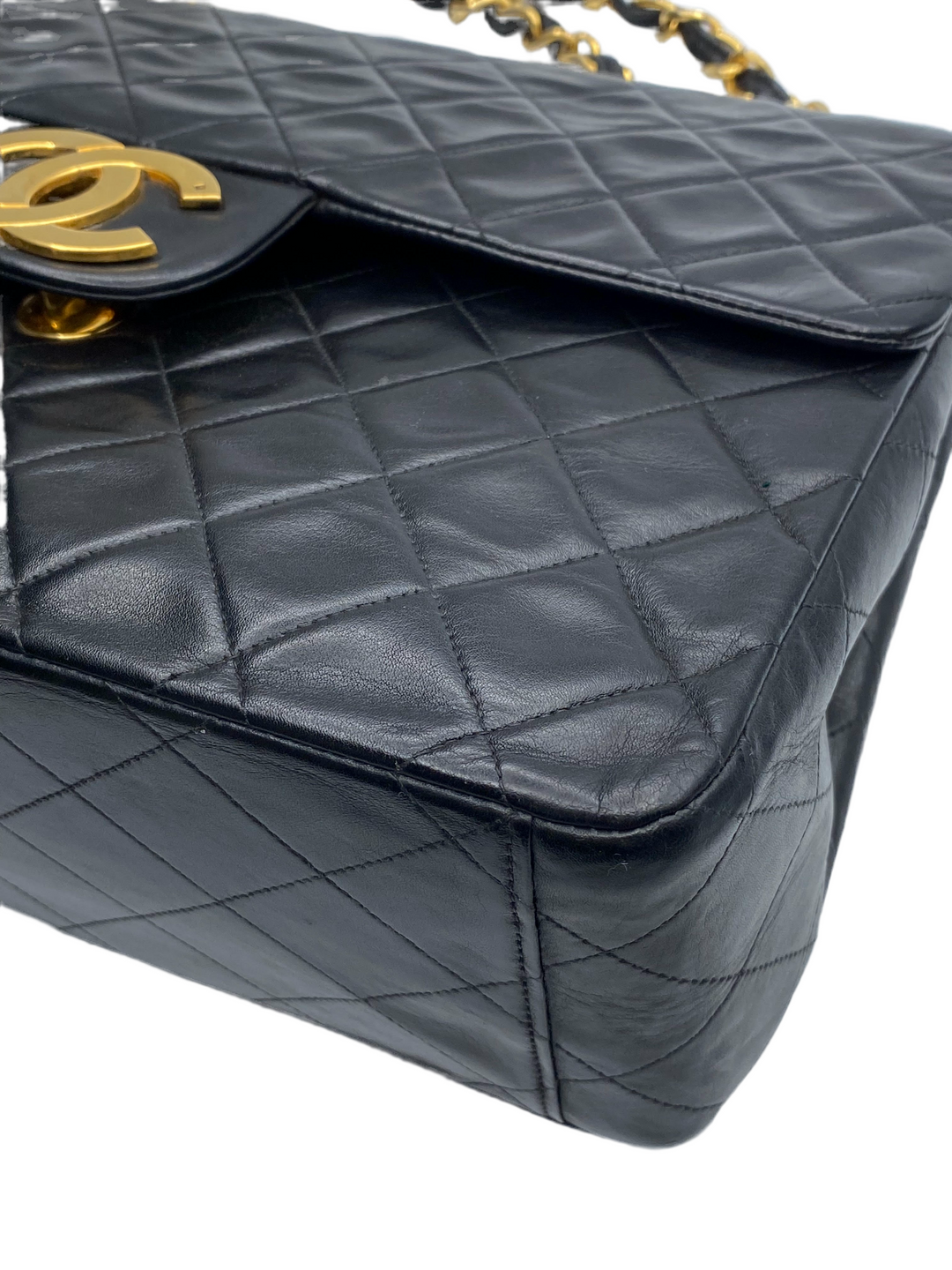
A luxury bag is not just an accessory: it's a valuable item, often meant to last over time — and, in some cases, even appreciate in value.
But for this to happen, it is essential to take care of it correctly.
Improper maintenance can irreversibly damage leathers, shape, and details. Conversely, careful management preserves its aesthetics, functionality, and value.
So, let's see what to do and what NOT to do to keep a luxury bag in the best possible condition.
What to do: fundamental good practices
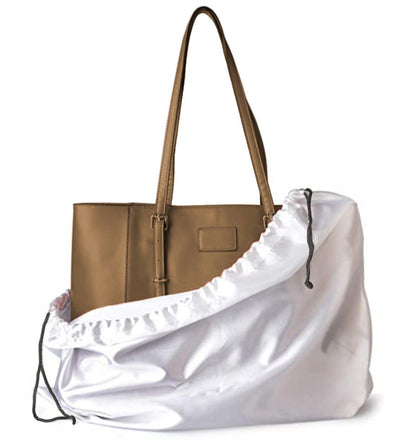
1. Store the bag in its dust bag (but correctly)
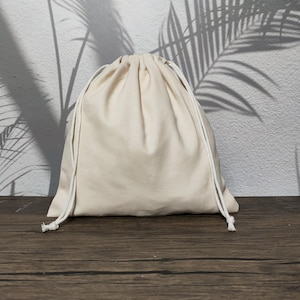
- Always use the original cotton dust bag
- Avoid synthetic bags: they don't let the leather breathe
- Do not seal hermetically: leather needs oxygen
If you don't have the original dust bag, opt for a natural cotton cover.
2. Maintain the shape with internal padding
- Insert neutral (acid-free) tissue paper or soft fabric
- Avoid newspapers (they release ink and acids)
- Do not compress too much: the shape should be natural
This is essential for structured bags (e.g., Kelly, Lady Dior).
3. Keep away from light, heat, and humidity
- Avoid direct sun exposure → discoloration
- Avoid radiators or heat sources → dryness and cracks
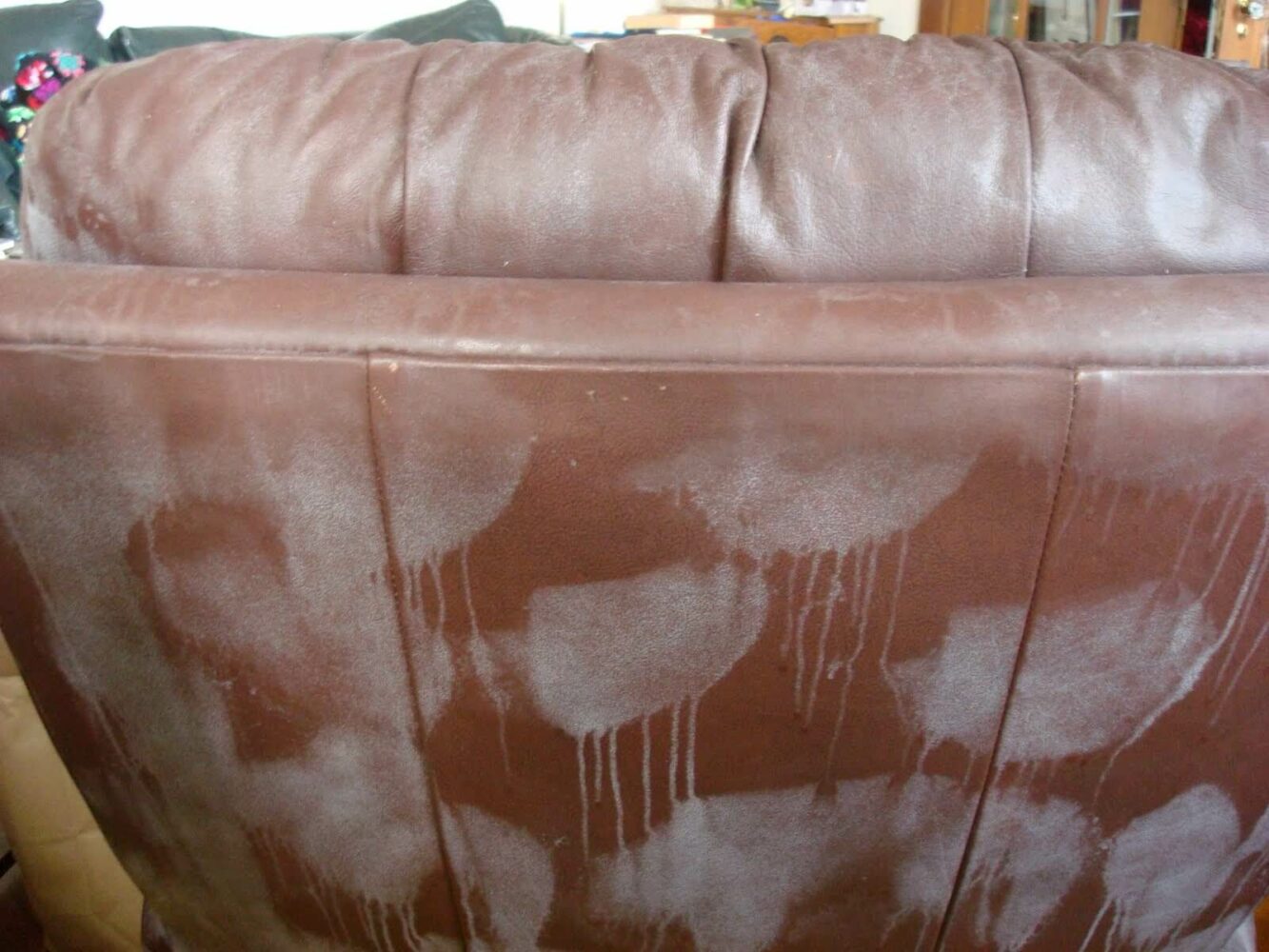
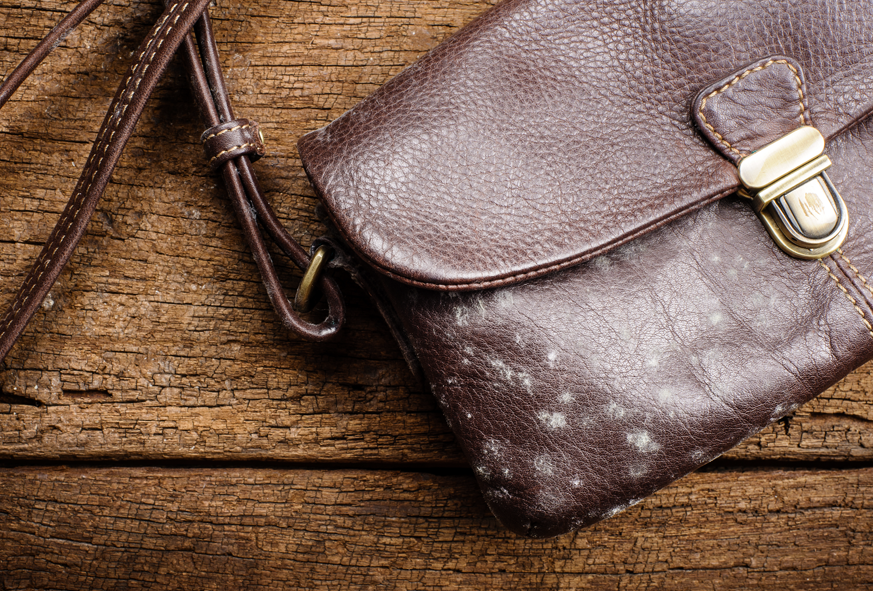
- High humidity → risk of mold
Ideal: dry, ventilated environment with stable temperature.
4. Regular cleaning (but gentle)
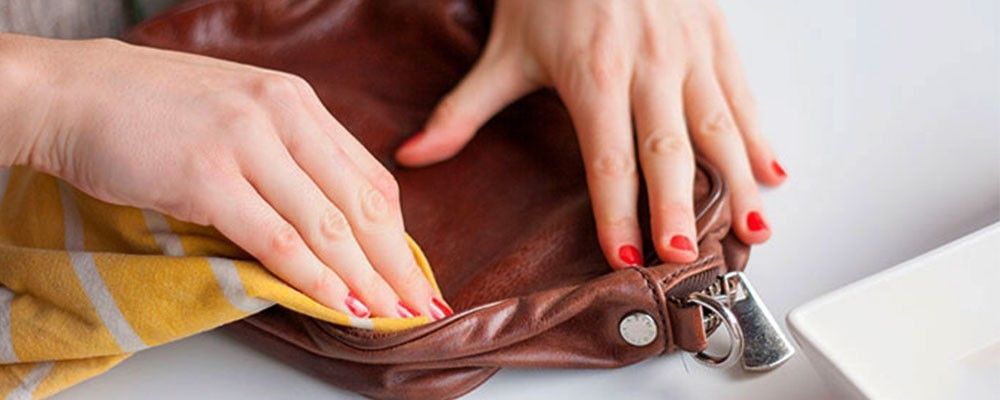
- Use a dry or slightly damp microfiber cloth
- For leather: specific and gentle products
- For fabrics (canvas): superficial cleaning without excessive water
Frequent cleaning prevents dirt from "setting" into the material.
5. Hydrate leather (when needed)
- Use specific nourishing creams for leather
- Frequency: 2–3 times a year (no more)
- Always test the product on a hidden area
Leather is a living material: without nourishment, it can stiffen and crack.
6. Alternate use
- Do not always use the same bag
- Let the leather "rest" between uses
This reduces stress on handles, stitching, and structure.
What NOT to do: the most common mistakes
1. Store the bag hanging
- Handles deform over time
- Weight alters the structure
Always better placed on a flat surface.
2. Use non-specific products
- No aggressive wipes
- No household detergents
- No alcohol or degreasers
They can irreversibly dry, stain, or discolor.
3. Overfill it during use
- Deforms the structure
- Stresses seams and zippers
- Marks the leather
A luxury bag should be "worn," not overstuffed.
4. Leave it unattended for years
- Even when unused, the bag should be checked
- Possible problems: mold, leather hardening, metal oxidation
Recommended check: every 2–3 months.
5. Plastic storage
- Retains moisture
- Promotes mold and bad odors
Leather needs to breathe.
Recommended products (without risks)
For proper maintenance, opt for:
- Quality leather nourishing creams (e.g., natural-based)
- Microfiber cloths
- Soft brushes for fabrics
- Specific luxury kits (preferably tested on high-end brands)
Avoid "generic" products: the risk outweighs the benefit.
One last piece of advice (from true connoisseurs)
If the bag has a high value (monetary or collectible), consider:
- Periodic professional cleaning
- Specialized preservative treatments
- Preventive light restorations
This not only preserves the bag but also protects its value over time — a fundamental aspect in the world of luxury vintage.
Conclusion
Taking care of a luxury bag means protecting an investment, as well as a style item.
The rules are simple, but they make all the difference:
- correct environment
- gentle maintenance
- constant attention
With these precautions, a bag can last for years — and generations — keeping its charm intact.
Both vintage and pre-owned, MLV Luxury Vintage collects an exclusive selection of luxury items chosen for rarity, elegance, and enduring value.
Each piece is carefully selected and guaranteed authentic, thanks to rigorous checks of authenticity and condition.
Our goal is to offer vintage luxury items at the best value for money, with authentic creations from the most iconic, sought-after, and timeless fashion houses.


